Navigating the CBN Data Localization Mandate: Why Renewable Energy Architecture is Non-Negotiable for Local Data Centers
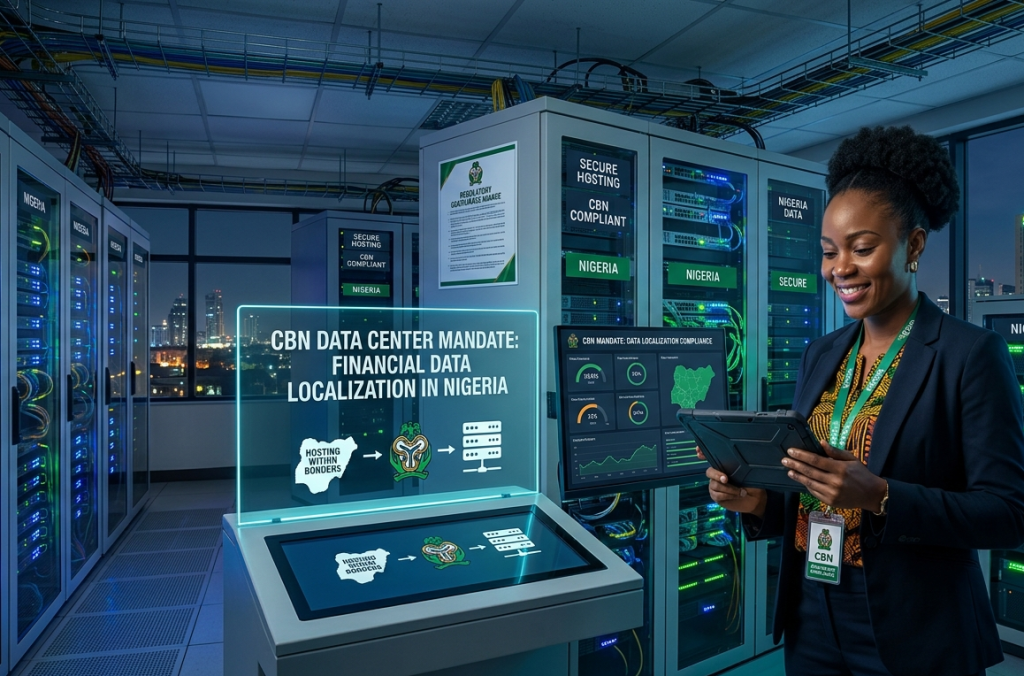
The Central Bank of Nigeria (CBN) has made its stance clear on data sovereignty. With the CBN data localization directive, financial institutions, Fintech, and payment processors must now host their core transactional data within local borders. It is a bold, forward-thinking move aimed at boosting national security, fostering engineering innovation Africa-wide, and protecting consumer privacy.
However, for B2B decision-makers, IT infrastructure directors, and bank executives, this mandate introduces a massive operational hurdle: Where will the stable power come from? Processing millions of transactions securely requires flawless uptime. Yet, building out heavy digital infrastructure in an environment historically plagued by grid instability is a high-stakes challenge. At Zitronix, we believe that solving this problem does not mean relying on legacy, polluting power systems. Instead, the future of compliance lies in marrying advanced power electronics with sustainable, renewable energy architecture.
The True Cost of Data Localization: The Power Strain on Local Data Infrastructure
The scale of this transition is staggering. Nigeria’s digital economy processes over 14 billion electronic transactions annually. Moving this massive volume of processing power entirely to local servers places an unprecedented demand on Nigeria data center infrastructure.
To maintain global security standards, these facilities must achieve Tier III data center power requirements, which strictly demand $99.982% uptime. In practical terms, a data center cannot afford more than 1.6 hours of downtime in an entire year.
Achieving this level of reliability via the national grid is currently unrealistic. Historically, the traditional alternative has been heavy industrial diesel generators. However, relying strictly on fossil fuels introduces severe operational risks:
- Excessive Carbon Footprints: Modern corporate governance and global investment partners demand strict ESG (Environmental, Social, and Governance) compliance.
- Mechanical Wear and Tear: Generators running 24/7 suffer frequent breakdowns, risking catastrophic server blackouts during switchovers.
- Thermal Management Demands: Server stacks generate immense heat and require massive, continuous cooling systems, doubling the overall energy load.
For a sector where a single minute of downtime can cost millions of Naira in failed transactions and regulatory penalties, traditional power models are no longer viable.
Mitigating the Multi-Million Naira Diesel Trap with Industrial Solar Mini-Grids
For manufacturing companies, oil & gas firms, and financial institutions alike, the “diesel trap” is a major financial drain. Ongoing foreign exchange volatility continually drives up the cost of imported fuel and replacement mechanical parts. Budgets spent on fueling generators are capital that could otherwise fund core business expansion and powering innovation.
This is where Zitronix Engineering steps in to transform your energy landscape. By deploying custom industrial mini-grids and rural electrification solutions, data centers can transition from volatile, foreign-dependent fuel expenses to predictable, Naira-priced energy infrastructure.
As a premier renewable energy company Nigeria trusts for advanced industrial applications, Zitronix combines structural solar arrays with intelligent energy storage. Our deep expertise in power electronics design and engineering ensures that these systems are not just basic solar panels, but highly optimized power plants.
Our industrial solar setups leverage automated control systems that seamlessly balance loads between solar generation, battery storage, and the grid. This maximizes energy efficiency, slash operating costs by up to 60%, and shield your local data operations from the unpredictable fluctuations of the fuel market.
Solving the Disaster Recovery Dilemma Through Power Redundancy
A primary concern raised by Nigerian fintech executives and system integrators regarding the CBN data localization directive is disaster recovery. If a localized primary server environment fails due to an energy surge or blackout, where does the traffic go?
Maintaining geographic availability zones within Nigeria requires sophisticated automation engineering and ironclad power redundancy. You cannot afford a single point of failure.
The Role of Intelligent Hybrid Systems
To guarantee continuous uptime for localized primary and backup servers, Zitronix designs hybrid solar energy systems paired with industrial-grade uninterruptible power supplies (UPS). By integrating high-frequency embedded systems and custom PCB designs, our hardware reacts in microseconds to grid failures, ensuring financial transactions never suffer from latency, data corruption, or blackouts.
Industrial Automation and Monitoring
A truly resilient data center relies on proactive maintenance. Zitronix integrates advanced industrial automation and local PLC programming to monitor the health of your power infrastructure in real time. Our smart energy and smart home designs scale beautifully up to industrial levels, giving facility managers automated alerts, predictive load balancing, and remote diagnostics to stop power failures before they happen.
The Zitronix Advantage: Pioneering Local Content for Critical Infrastructure
As institutional clients, research bodies, and public sector entities seek structured professional development and local technical partnerships, working with an indigenous hardware design expert Nigeria can rely on is vital.
Zitronix isn’t just an equipment vendor; we are an end-to-end engineering partner. From robust control panel design to deploying cutting-edge automation solutions Nigeria requires for industrial growth, we bridge the gap between global engineering excellence and local environmental realities. Our team understands the unique thermal, electrical, and climatic conditions of Sub-Saharan Africa, ensuring your infrastructure is built to last.
Conclusion: Future-Proof Your Compliance Strategy
The CBN data localization directive is a transformative milestone for Nigeria’s digital future, but its success hinges entirely on the resilience of our power solutions Nigeria infrastructure. Relying on an unstable grid or the volatile diesel market to power our nation’s financial data is an operational gamble.
By investing in custom renewable energy architecture, smart control systems, and robust power electronics, local data centers can lock in predictable costs, achieve Tier III uptime compliance, and protect the integrity of millions of daily transactions.
Let’s build a cleaner, more reliable, and self-sustaining digital Nigeria together.
Ready to secure your data center’s power future? Contact the Zitronix Engineering team today via our website’s Official Contact Page to schedule a technical consultation with our senior power systems engineers. Follow our journey in driving robotics innovation Africa and sustainable energy milestones across our social media channels.