How To Manage Degradation In Your Solar/Inverter System
Imagine investing your hard-earned money into a premium solar setup to escape the constant frustration of grid unreliability, only to notice a few years later that your lights are cutting out earlier than they used to. It is a quiet frustration shared by many homeowners and businesses across Nigeria. You bought the system for peace of mind, but now you are left wondering: Why is my solar power fading, and how do I make it stop?
The truth is, all solar and energy storage components experience a natural wear-and-tear process known as degradation. However, in the intense tropical climate of Nigeria—marked by scorching heatwaves, heavy dust deposits, and high humidity—this degradation can accelerate rapidly if left unmanaged.
As a leading Solar Engineer team, we believe that understanding your system shouldn’t require an advanced degree. Managing degradation isn’t about stopping time; it is about smart engineering, proper maintenance, and choosing the right components. Let’s dive into how you can protect your investment and keep your clean energy running at peak performance for decades.
Understanding the Culprits Behind System Fading
To solve the problem of power loss, we first need to look at what is happening under the hood of your inverter system. Degradation affects the two most critical parts of your setup differently: your solar modules and your energy storage bank.
The Reality of Solar Panel Wear
High-quality solar panels are incredibly durable, but they are not immortal. On average, standard panels degrade at a rate of about $0.5\%$ to $0.8\%$ every year. This means after 20 years, a good panel should still produce around $80\%$ to $85\%$ of its original power.
However, in places like Lagos or Abuja, extreme UV exposure and thermal stress can warp components inside the panel. When dust or hamattan haze covers the surface, it creates “hot spots”—localized areas of intense heat that permanently damage the solar cells underneath.
Battery Aging: Lead-Acid vs. Lithium-Ion
Your battery bank is the heart of your renewable energy backup, and it is also the most sensitive to aging.
- Older Lead-Acid Technology: These batteries degrade rapidly if they are discharged too deeply or if the ambient room temperature exceeds 25°C. In Nigeria’s climate, an uncooled lead-acid battery can lose half its lifespan in just a couple of years.
- The Lithium-Ion Battery Advantage: Modern power solutions in Nigeria have shifted heavily toward lithium technology. A high-grade Lithium Ion Battery handles deeper discharges and higher temperatures far better, boasting a lifespan that can comfortably exceed 10 years when paired with an intelligent management system.
Proactive Steps to Combat Solar Degradation
The secret to extending the life of your setup lies in proactive, everyday management. You do not need to be a certified inverter installer to practice good solar hygiene. Here are actionable strategies you can implement right away:
1. Keep it Cool and Well-Ventilated
Heat is the ultimate enemy of any solar inverter and battery bank. Ensure your inverter and batteries are installed in a dedicated, well-ventilated utility closet or room. If you are using lithium batteries, keeping the room at a stable, cool temperature can significantly slow down chemical breakdown. Never stack items on top of your inverter, as this blocks the cooling fans and traps internal heat.
2. Establish a Routine Cleaning Schedule
Dust, soot, and bird droppings act like a blanket over your panels, forcing the system to work harder and creating destructive hot spots.
- Wash your panels early in the morning or late in the evening when they are cool to avoid thermal shock (cracking the glass with cold water).
- Use a soft sponge or microfiber squeegee with clean water. Avoid harsh chemical detergents or abrasive brushes that can scratch the protective anti-reflective coating.
3. Optimize Your Depth of Discharge (DoD)
If you want your battery bank to last, avoid draining it to zero. For lithium systems, try to program your system to keep a safety buffer, rarely dipping below $20\%$ capacity. For older lead-acid setups, keeping discharges above $50\%$ is vital to preventing early death.
| SOLAR HEALTH CHECKLIST |
| Clean panels monthly (especially during Harmattan) |
| Clear any growing tree branches casting shadows |
| Check inverter ventilation screens for dust blockage |
| Monitor daily generation via your mobile monitoring app |
+————————————————————-+
The Power of Professional Solar Installation
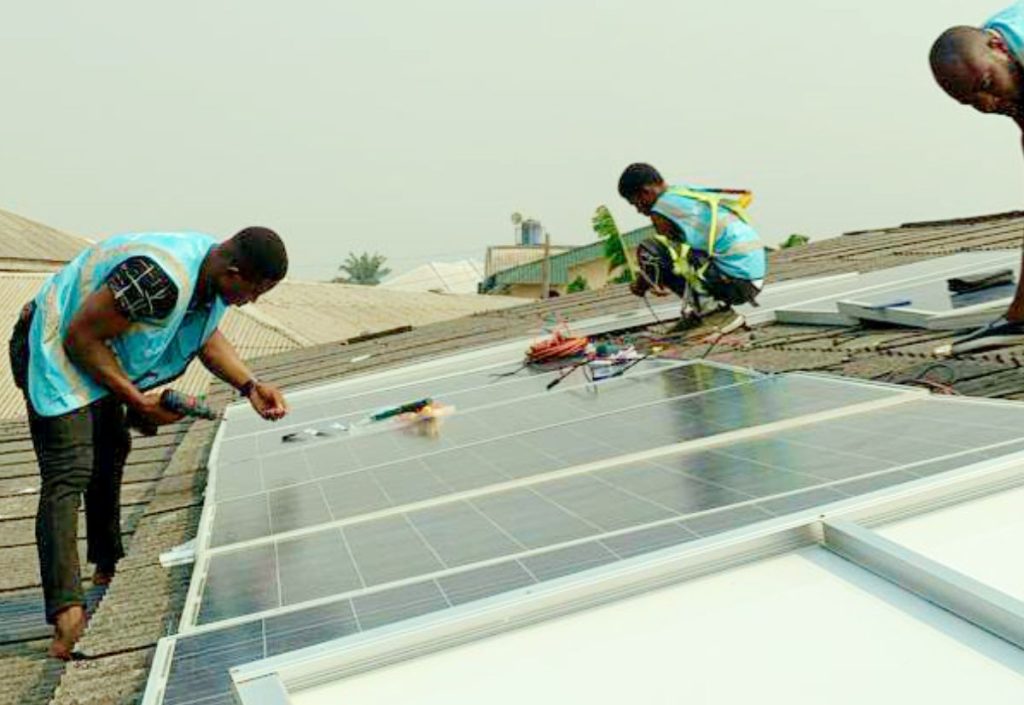
While DIY cleaning helps, the most effective shield against premature degradation happens before the first bolt is even tightened. True longevity requires customised solar energy inverter installation designed by an experienced solar expert.
When you partner with a seasoned Solar Inverter Engineer, they calculate the precise electrical balances needed for your specific property. Poorly matched components—such as pairing a low-grade charge controller with premium panels—can force high currents through your system, cooking the internal circuits over time.
Furthermore, industrial solar engineering standards require precise tilt angles for panels. This ensures that when it rains, the water washes away the dust naturally rather than pooling in the corners and creating permanent stains that cause cell damage.
Safeguard Your Energy Future with Zitronix Engineering
At Zitronix Engineering, we don’t just sell equipment; we craft robust, long-lasting energy ecosystems. Our approach to solar installation combines premium hardware with meticulous technical execution to ensure your system defies the harsh environmental challenges of the African continent.
Whether you are looking for an inverter expert to audit an underperforming system or you want to invest in a brand-new, rugged setup for your home or business, our team brings world-class expertise right to your doorstep. We specialize in deploying advanced Lithium Ion Battery storage configurations and smart tracking systems that protect your investment from premature aging.
Explore our comprehensive engineering practices by visiting our detailed guides on Zitronix Solar Inverter Engineering and learn more about our tailored approach to sustainable power on our Zitronix Renewable Energy Designs page.
Don’t let poor design or unmanaged degradation dim your energy independence. Connect with the Zitronix team today through our official website contact page or drop us a message on our social media platforms.
Let’s build a clean, resilient, and unstoppable power solution for your home and business!