Energy Smart Home & Building Wiring in Nigeria: Cost, Installation, and Best Practices
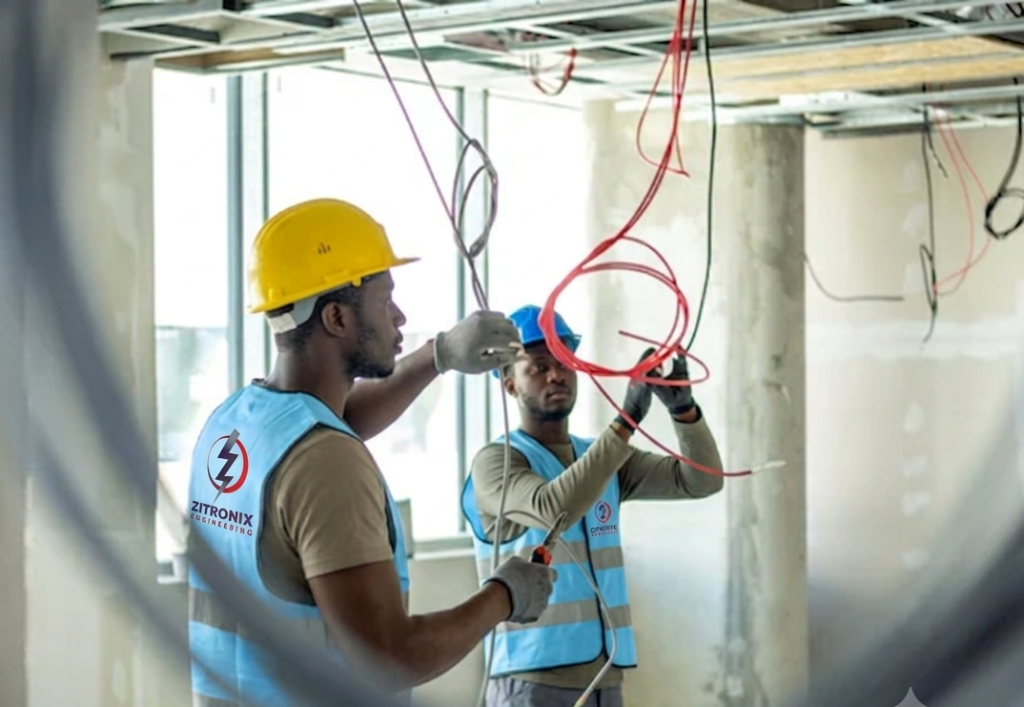
Have you ever wondered why your monthly electricity bills keep skyrocketing despite constant grid outages? Or why your brand-new inverter batteries seem to lose their capacity after only a year? In Nigeria, the traditional approach to domestic electrical wiring has always been reactive: we wire houses simply to pass current, not to manage it. But as energy tariffs rise and the demand for zero-downtime living grows, our building practices must evolve.
For modern Nigerian homes, estates, and industrial facilities, the era of “any-way-goes” electrical work is over. True Engineering Innovation Africa starts right at the foundational stage of construction or renovation. Implementing an intelligent layout isn’t just about luxury convenience; it is a financial and operational shield. By transitioning to strategic, efficient design practices, you can dramatically optimize how your property harvests, distributes, and consumes power.
What is Energy Smart Home & Building Wiring?
Traditional electrical layouts route grid power directly to your appliances through rudimentary breaker panels. If you want to integrate alternative power later, you are left with messy changeover switches and isolated “inverter loops.”
Conversely, a modern smart building approach treats your electrical framework as an interconnected ecosystem. It blends advanced Power Electronics Design with smart distribution boards to intelligently split, prioritize, and manage loads. This specialized framework integrates core components into one cohesive system:
- Smart Distribution Boards (DBs): Automated panels that dynamically switch heavy loads based on the available power source.
- Dedicated Automated Control Systems: Infrastructure prepared for Local PLC programming and smart relays to manage automated lighting and climate control.
- Clean Industrial-Grade Isolation: Segregating sensitive electronics from heavy startup surge currents to extend equipment lifespan.
By designing your building with integrated infrastructure, you establish a setup natively prepared for advanced Zitronix Embedded Systems & PCB Designs. This ensures seamless compatibility with future smart additions without requiring expensive wall breaking down the line.
Best Practices for Installing Smart Energy Frameworks in Nigeria
1. Execute a True Simultaneous Load Profile
A primary mistake made by standard installers is sizing the electrical infrastructure based solely on the number of rooms. True Power Electronics engineering requires a comprehensive assessment of your “simultaneous load”—the peak capacity demanded when multiple heavy appliances cycle on concurrently. Your cabling, cross-sections, and breaker speeds must be rated to handle these specific surge dynamics safely.
2. Implement Automated Load Shedding
Your building shouldn’t treat grid power, solar arrays, and standby generators identically. The distribution architecture must feature logical automated controls. When the grid drops, heavy inductive loads like air conditioners and water pumps should drop out automatically unless there is a specific command or sufficient solar harvest. This safeguard prevents catastrophic overloads and safeguards your premium storage systems.
3. Maintain Absolute Separation of Sensitive Control Systems
Industrial automation taught us that data and high voltage do not mix well in the same conduit. When planning smart homes or building automation networks, always separate high-power lines from sensitive control and communication cables. This eliminates electromagnetic interference, guaranteeing that your automated systems operate reliably without experiencing phantom glitches or sudden component degradation.
Breaking Down the Costs: Investment vs. Long-Term Returns
When evaluating the financial commitment for specialized smart wiring installations across Nigeria, it is important to categorize expenditures based on immediate material investments versus long-term returns.
| Component Group | Average Cost Range (NGN) | Core Benefit & Long-Term Value |
| Smart Distribution Panels & Sub-breakers | ₦450,000 – ₦1,200,000 | Enables automated load management; prevents battery damage from heavy appliance surges. |
| High-Grade Copper Conduits & Data Cabling | ₦600,000 – ₦1,800,000 | Eliminates line resistance and fire risks; prepares the facility for future automation. |
| Control Relays & PLC Automation Integration | ₦850,000 – ₦3,000,000+ | Delivers remote power tracking and rule-based scheduling for optimal Energy Efficiency. |
While the upfront cost of deploying specialized infrastructure is higher than standard conduit work, the long-term savings are substantial. Eliminating electrical line losses, minimizing component failures, and extending battery lifespans typically allows a comprehensive Zitronix Energy Smart Home Design to pay for itself within 24 to 36 months of continuous operation.
Why Industrial & Institutional Partners Rely on Local Engineering Expertise
Smart electrical infrastructure is not unique to residential properties. For manufacturing plants, agro-allied industries, and oil & gas service providers, reliable power control remains a fundamental requirement.
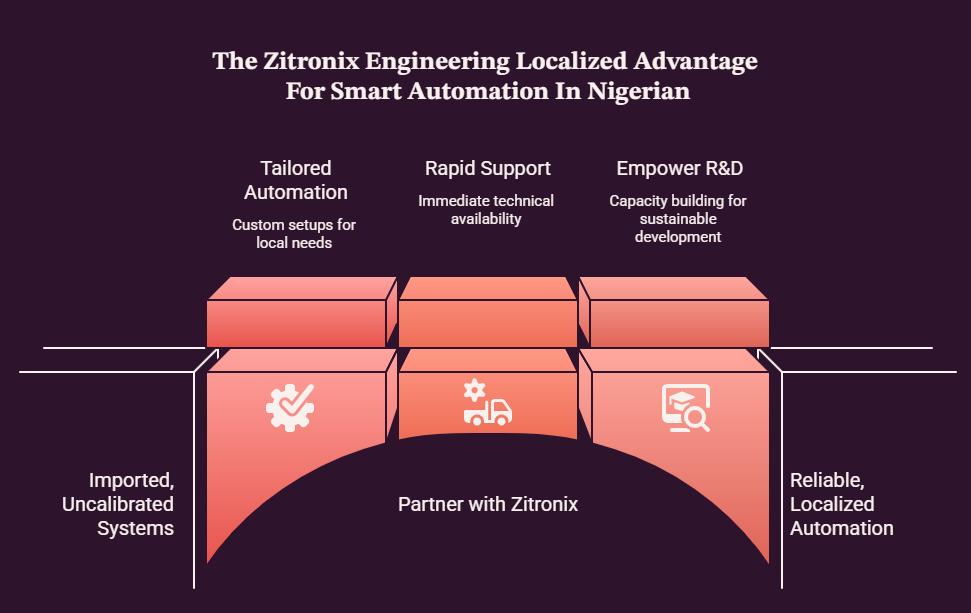
Partnering with an indigenous pioneer like Zitronix Engineering provides distinct operational advantages over relying on imported, uncalibrated systems:
- Tailored Industrial Automation: Our teams develop custom Industrial Automation Nigeria setups utilizing localized logic, ensuring manufacturing lines withstand localized voltage fluctuations.
- Rapid Local Content Support: Choosing an established local partner ensures immediate technical availability, minimizing operational downtime.
- Empowering Institutional R&D: We partner directly with research institutions and public sector entities to deliver professional capacity building, driving sustainable engineering development across the sub-region.
From complex factory floors requiring advanced Zitronix Power Electronics Engineering to regional Zitronix Mini-Grids & Rural Electrification Solutions, building with technical precision from day one ensures long-term operational reliability.
Powering Innovation: Take Control of Your Energy Future
Building a modern home or managing an industrial facility without an energy-efficient wiring plan is a costly approach in today’s economic environment. By implementing intelligent load separation, smart panels, and rugged power engineering, you protect your property investment and ensure uninterrupted power delivery.
Let’s help you optimize your building’s electrical infrastructure for lasting reliability. Contact our engineering team today through our official website to schedule a comprehensive technical assessment. Let’s build a smarter, self-sufficient future together!