Why Roadside Solar-Inverter Installers Destroy Your Appliances (And How Certified Power Electronics Engineers Fix It)
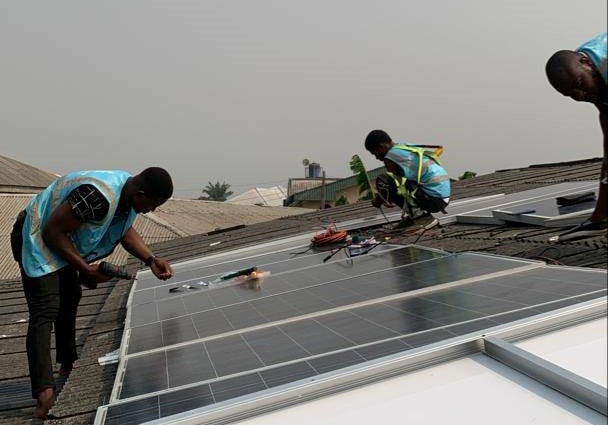
Picture this: You finally decide to cut ties with constant power grid failure and the exhausting noise of a generator. You save up, buy a brand-new solar inverter system, and hire a cheap, uncertified roadside inverter installer recommended by a neighbor. At first, everything was smooth. The lights are bright, and the television works fine. But three months later, you smell something burning. Suddenly, your expensive inverter trips off, your premium refrigerator compressor knocks, and your smart home system stops responding completely.
What went wrong? You didn’t buy bad appliances, and you didn’t buy a fake inverter system. The bitter truth is that an uncertified installer compromised your setup.
Across Nigeria, from the sprawling estates of Lekki to the commercial hubs of Abuja and Port Harcourt, thousands of homeowners lose millions of Naira annually to poorly executed installations. While a roadside tech might know how to connect positive and negative battery cables, they lack the deep understanding of physics, safety parameters, and hardware design required for sustainable renewable energy setups.
Let’s look at why standard, uncertified installations damage your appliances and how true solar engineering turns the tide.
The Hidden Risks of a Roadside “Cut and Join” Installation
To an untrained technician, an installation is just about making the lights turn on. But to a certified solar expert, it is a complex balancing act of voltage, current, and environmental safety. When you bypass a professional solar installer, you expose your property to serious structural vulnerabilities.
Incorrect Sizing and Sieve-Like Efficiency
Roadside installers frequently guess system loads rather than calculating them mathematically. They might pair a low-grade charge controller with high-capacity solar panels, or use undersized cables that overheat under load. This mismatch strains the internal components of your inverter, leading to jagged power outputs that gradually wear out the motors and power packs of your household appliances.
Total Neglect of Protection Components
Have you ever seen an installation without a DC circuit breaker, a surge protector, or proper grounding? That is the classic signature of a roadside setup. Without these safety nets, a single lightning strike or a minor voltage surge from the public grid passes directly through your solar installation, hitting your laptop, ACs, and televisions instantly.
Ruining the Heart of Your System: The Battery Bank
Whether you are using standard deep-cycle batteries or a premium Lithium Ion Battery, a roadside technician can shorten its lifespan significantly. They often misconfigure the low-voltage cutoff points on the inverter, causing the battery bank to drain completely. While a high-end lithium bank should easily run for over a decade, improper configuration can ruin it in under two years.
How Certified Power Electronics Engineers Do Things Differently
When you work with a qualified solar inverter engineer, the installation process changes completely. True engineers don’t just link black and red wires together; they design integrated power systems tailored specifically to your home’s electrical layout.
| ROADSIDE TECH VS. ZITRONIX ENGINEER |
+—————————————————————+
| Process | Roadside Tech | Zitronix Engineer |
+———————-+——————-+——————–+
| Load Analysis | Approximates load | Active data logging|
| Protection Gear | Often omitted | Full AC/DC surges |
| Battery Optimization | Default settings | Custom parameters |
+—————————————————————+
Precise Mathematical Load Audits
Before any equipment is unboxed, an inverter expert carries out a thorough energy audit. They don’t just ask what appliances you want to run; they measure startup currents (surge watts). For instance, an air conditioner might require three times more power just to start up than it does to run. Knowing this prevents the inverter from overloading and sending dirty wave signals back into your home grid.
Specialized Cable Sizing and Voltage Drop Management
Electricity traveling through a wire encounters resistance. If a cable is too thin or too long, voltage drops, and the cable turns that lost electricity into heat—a major fire hazard. True professionals use precise engineering formulas to choose the exact wire gauge needed, keeping your system safe and highly efficient.
Environmental and Enclosure Engineering
Power electronics generate significant heat. A certified team ensures your setup sits in a well-ventilated space, shielded from high humidity and dust. They program the charging profiles to match local temperature changes, ensuring your investment stays cool and lasts longer.
Moving Beyond Simple Setups: Automation and Custom Integration
Modern power solutions in Nigeria have evolved far past simply linking panels to a battery. Today, a premium setup is a smart ecosystem that works seamlessly with your lifestyle.
Through advanced industrial solar engineering practices, modern installations now utilize smart microcontrollers and automated systems. Imagine an intelligent home ecosystem that automatically senses how much solar energy is coming from your roof. If the sky turns cloudy, the system’s smart firmware safely turns off heavy loads like water pumps while keeping your home office running smoothly.
This level of performance cannot be achieved with generic, off-the-shelf imports thrown together by an amateur. It demands clean embedded systems engineering and customized programming to create a safe, seamless power experience.
The Zitronix Promise: Elevating African Power Systems
At Zitronix Engineering, we treat every home and facility like a mission-critical power plant. We don’t just install gear; we craft rugged, highly reliable energy architectures built to withstand the toughest African climates.
Our team blends decades of deep field experience with advanced technical expertise to ensure your peace of mind. From the drawing board to the final connection, we eliminate the costly mistakes that damage appliances, ensuring you enjoy consistent, safe, and clean power for decades to come.
To see how we build robust, industrial-grade power architectures, check out our work in Zitronix Power Electronics Engineering in Nigeria. You can also see how we design custom, reliable hardware at our Zitronix Embedded Systems and PCB Designs page, or explore our vision for future-proof living over at the Zitronix Energy and Smart Home Design portal. For additional deep dives into our core workflows, feel free to read through our classic resources on Zitronix Solar Inverter Engineering and our master strategy files on Zitronix Renewable Energy Designs.
Take Control of Your Energy Journey
Cheap installations always end up costing the most in the long run. Protecting your home, your family, and your premium appliances means stepping away from amateur “quick fixes” and embracing the security of customised solar energy inverter installation.
Are you ready to fix your power issues for good with a system designed by certified experts?
Get in touch with the Zitronix technical team today through our website’s official contact page or reach out directly across our social media platforms. Let’s sit down, audit your power needs, and construct an unbreakable energy solution tailored exactly for you!